
same day implant success rate chickasha, immediate load dental implants altus, dental implant survival wichita falls, implant failure causes norman ok, teeth in a day success mustang, dental implant osseointegration oklahoma city, implant success factors grady county, same day dental implants chickasha ok
HTML Article for WordPress Visual Editor
html
When considering same-day dental implants, patients naturally ask: how often do they succeed? The answer depends on patient selection, surgical technique, and post-operative care. Clinical studies report success rates between 90 and 98 percent for immediate loading protocols, which is comparable to traditional delayed implant placement.
For patients in Chickasha, Altus, Wichita Falls, Mustang, Norman, and the Oklahoma City metro, understanding success rates helps set realistic expectations. This guide reviews clinical evidence on same-day implant survival, identifies factors that improve or reduce success, and explains what patients can do to protect their investment.
For a complete overview of same-day full arch restoration, see the Teeth in a Day subpillar article. For implant protocol comparisons, read All-on-4 vs All-on-6. For comprehensive dental services, visit the Pillar article on one-stop family, implant, and sedation dentistry.
Table of Contents
Key Takeaways (TL;DR)
- Success rates of 90-98%: Same-day implant success matches traditional delayed loading when patients are carefully selected.
- Smoking is the biggest risk factor: Smokers have failure rates up to 20% higher than non-smokers.
- Primary stability matters most: Implants placed with insertion torque below 35 Ncm should not be loaded immediately.
- Bruxism increases failure risk: Teeth grinding applies excessive force during osseointegration.
- Uncontrolled diabetes reduces success: Elevated blood sugar impairs bone healing around implants.
- Most failures occur in first 3-6 months: Early failure is usually due to failed osseointegration from micromovement or infection.
What the Research Shows: Clinical Evidence for Same-Day Implants
Multiple systematic reviews and meta-analyses have evaluated immediate loading protocols. A 2021 systematic review published in the Journal of Clinical Periodontology analyzed 37 studies with over 2,500 immediately loaded implants. The overall survival rate at 12 months was 95.8 percent, which was not statistically different from conventional delayed loading.
A 2019 meta-analysis in Clinical Implant Dentistry and Related Research examined immediate loading in the edentulous mandible (lower arch) restored with full-arch fixed prostheses. The implant survival rate was 98.1 percent at 1 year and 96.3 percent at 5 years. The maxilla (upper arch) showed slightly lower but still excellent survival rates of 95.2 percent at 5 years.
The key finding across all studies: patient selection matters more than the loading protocol. Healthy non-smokers with good bone density achieve success rates above 97 percent regardless of whether implants are loaded immediately or after a healing period. Patients with multiple risk factors see success rates drop below 90 percent.
A 2022 consensus report from the European Association for Osseointegration concluded that immediate loading is a predictable treatment modality when primary implant stability exceeds 35 Ncm. The report emphasized that immediate loading does not increase the risk of implant failure compared to conventional loading when this stability threshold is met.
For patients in Chickasha and surrounding communities, these national and international data apply directly. The success of same-day implants at 29th Street Dental Care aligns with published literature when patients follow pre-operative and post-operative instructions.
Factors That Affect Same-Day Implant Success
Not all patients achieve the same success rates. Multiple biological and behavioral factors influence whether an implant integrates successfully with the bone.
Smoking is the single most important modifiable risk factor. Nicotine constricts blood vessels, reducing oxygen delivery to healing bone. Smokers have failure rates 2 to 3 times higher than non-smokers. Heavy smokers (more than 10 cigarettes per day) are often not candidates for immediate loading.
Elevated HbA1c levels (above 7.5-8.0%) impair wound healing and increase infection risk. Well-controlled diabetics with HbA1c below 7.0% have success rates approaching non-diabetics. Poorly controlled diabetes is a relative contraindication for immediate loading.
Clenching and grinding apply excessive force during osseointegration. These micromovements can prevent bone from attaching to the implant surface. A custom nightguard worn during healing reduces this risk.
Dense bone (Type I or II) achieves higher insertion torque and better primary stability. Soft bone (Type IV) found in the posterior maxilla has lower success rates with immediate loading. CBCT imaging identifies bone quality before surgery.
Oral bisphosphonates (Fosamax, Actonel, Boniva) taken for osteoporosis increase the risk of osteonecrosis of the jaw. Intravenous bisphosphonates for cancer treatment are an absolute contraindication for dental implants.
Peri-implantitis (inflammation and bone loss around implants) is the leading cause of late failure. Patients who do not maintain meticulous home care have significantly higher long-term failure rates.
Success Rate by Patient Type and Risk Category
Note: Percentages represent ranges reported in peer-reviewed literature. Individual outcomes vary based on specific clinical circumstances and provider experience.
Signs of Implant Failure: What to Watch For
Early implant failure (during osseointegration) presents differently than late failure (after the prosthesis is delivered). Recognizing warning signs allows prompt intervention.
- Progressive mobility: The implant or provisional bridge becomes noticeably loose or moves when touched.
- Persistent pain: Pain that worsens over time rather than improving after the first week.
- Swelling or drainage: Pus, abscess formation, or persistent swelling around the implant site.
- Radiolucency on X-ray: A dark halo around the implant visible on follow-up radiographs indicates bone loss.
- Screw loosening: Repeated loosening of the prosthetic screws despite retorquing.
- Bleeding on probing: Gums that bleed easily around implants during brushing or dental exams.
- Deep probing depths: Pocket depths exceeding 5-6 mm around the implant.
- Progressive bone loss: Annual X-rays showing worsening bone levels around the implant.
- Peri-implantitis: Inflammation, suppuration, and bone loss requiring surgical intervention.
- Fracture: Implant screw or fixture fracture (rare but catastrophic failure).
Patients who notice any of these signs should contact their implant dentist immediately. Early intervention can sometimes salvage a failing implant. Delaying treatment often makes salvage impossible.
How to Improve Your Chances of Same-Day Implant Success
Patients have significant control over their implant outcomes. Following these evidence-based recommendations maximizes the probability of long-term success.
- Quit smoking at least 2 weeks before surgery (permanent cessation is best)
- Optimize diabetic control (aim for HbA1c below 7.0%)
- Complete any required periodontal therapy
- Discontinue blood thinners as advised by your physician
- Arrange for a nightguard if you grind your teeth
- Follow soft diet strictly (no cheating)
- Do not chew on the provisional bridge with front teeth
- Wear nightguard every night if prescribed
- Maintain excellent oral hygiene around the bridge
- Attend all follow-up appointments
- Professional cleanings every 3-6 months
- Annual X-rays to monitor bone levels
- Use water flosser and superfloss daily
- Replace prosthetic screws every 3-5 years
- Report any mobility or bleeding promptly
💡 Proactive monitoring: Studies show that patients who maintain regular 6-month recall appointments have significantly lower rates of peri-implantitis and late implant failure compared to those who skip maintenance visits. Treat implant maintenance like natural tooth maintenance, not optional.
Frequently Asked Questions
People Also Ask
- Do same-day implants fail more often in the upper jaw? Yes, slightly. The maxilla (upper jaw) has lower bone density, especially in the posterior regions. Five-year survival rates for immediate loading are approximately 95% in the maxilla versus 98% in the mandible. This difference is clinically small but statistically significant.
- Can antibiotics improve implant success rates? Pre-operative antibiotics reduce early infection risk. A single dose of amoxicillin (2 grams) or clindamycin (600 mg) given one hour before surgery is standard for patients without allergies. Post-operative antibiotics are not routinely needed for healthy patients.
- Do women have higher implant success rates than men? No. Sex does not independently affect implant survival. Hormonal changes (pregnancy, menopause) do not contraindicate implants. However, estrogen deficiency in postmenopausal women with osteoporosis may affect bone density, which can influence outcomes.
- What is the most common reason for same-day implant failure? For early failure (first 3-6 months), the most common cause is inadequate primary stability leading to micromovement and fibrous encapsulation instead of osseointegration. For late failure, peri-implantitis from poor oral hygiene is the leading cause.
- Can I get same-day implants if I have gum disease? Active, untreated periodontitis is a contraindication. The bacteria that cause periodontal disease can colonize implant surfaces and cause peri-implantitis. Patients must complete periodontal therapy and achieve stable gum health before implant placement.
About the Author / Meet the Dentist
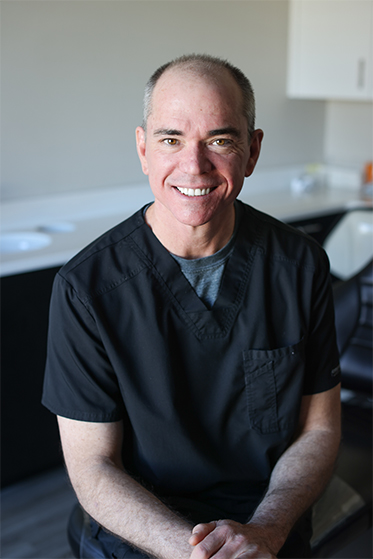
Dr. John Phillips III, DDS
Dr. Phillips has placed hundreds of same-day implants at 29th Street Dental Care in Chickasha, Oklahoma. He tracks his outcomes against published benchmarks and achieves success rates consistent with national averages. Dr. Phillips believes that transparency about success rates and risk factors helps patients make informed decisions.
Dr. Phillips serves patients from Chickasha, Altus, Wichita Falls, Mustang, Norman, and the Oklahoma City metro. He offers complimentary implant consultations that include a CBCT scan, candidacy assessment, and personalized risk factor discussion. Dr. Phillips does not recommend immediate loading for patients with uncontrolled risk factors. He believes that delaying loading when appropriate is better than risking implant failure. To learn more about implant options, read the Teeth in a Day subpillar article and All-on-4 vs All-on-6 comparison.
Conclusion
Same-day dental implants achieve success rates of 90 to 98 percent in carefully selected patients. These rates match those of traditional delayed loading protocols. The key to success is proper patient selection, achieving primary stability above 35 Ncm, and strict adherence to post-operative dietary restrictions.
Smoking, uncontrolled diabetes, bruxism, and poor bone density reduce success rates. Patients with these risk factors may still be candidates for same-day implants but should understand the increased failure risk. Some patients are better served by delayed loading protocols that allow bone grafting or extended healing.
For patients in Chickasha, Altus, Wichita Falls, Mustang, Norman, Oklahoma City, and surrounding communities, 29th Street Dental Care offers comprehensive implant services with transparent discussion of success rates and risk factors. A consultation with Dr. Phillips includes CBCT imaging and candidacy assessment. For more information, read the Teeth in a Day subpillar article or the Pillar article on comprehensive dental care.
Last reviewed: May 2026