
Undergoing full arch implant surgery is a significant procedure. The recovery period requires patience, careful adherence to instructions, and realistic expectations. Most patients feel significantly better within 7 to 10 days, but complete osseointegration takes 4 to 6 months. Understanding what happens each week helps patients prepare and reduces anxiety.
For patients in Chickasha, Altus, Wichita Falls, Mustang, Norman, and the Oklahoma City metro, this week-by-week recovery guide provides practical advice. You will learn about pain management, swelling patterns, diet progression, activity restrictions, and warning signs that require a call to your dentist.
For a complete overview of same-day full arch restoration, see the Teeth in a Day subpillar article. For success rate information, read What Is the Success Rate of Same-Day Dental Implants. For comprehensive dental services, visit the Pillar article on one-stop family, implant, and sedation dentistry.
Table of Contents
Key Takeaways (TL;DR)
- First 48 hours are the hardest: Expect swelling, bruising, and discomfort. Ice packs and prescribed pain medication help significantly.
- Strict soft diet for 3-6 months: No chewing on the provisional bridge during osseointegration. Liquid to soft foods only.
- Sleep with head elevated for first week: Reduces swelling and bleeding. Use two to three pillows.
- No vigorous rinsing or spitting for 48 hours: Protects blood clots that are essential for healing.
- Most swelling peaks at day 2-3: Gradually resolves by day 7-10. Warm compresses after day 3 help.
- Full osseointegration takes 4-6 months: The final zirconia prosthesis is delivered after this healing period.
The First 24-48 Hours: Managing the Acute Recovery Phase
The first two days after full arch implant surgery are the most intense. Patients typically receive IV sedation or general anesthesia, so the first several hours are spent recovering from anesthesia effects. Having a responsible adult drive you home and stay with you for the first 24 hours is essential.
- Bleeding: Some oozing from extraction sites and implant incisions is normal. Gauze placed over the sites should be changed every 30-45 minutes until bleeding slows. Pink-tinged saliva for 24-48 hours is normal; active bleeding beyond 12 hours warrants a call to your dentist.
- Swelling: Begins within 6-8 hours after surgery. Peaks at 48-72 hours. Apply ice packs to the face (20 minutes on, 20 minutes off) for the first 24-36 hours. Ice reduces swelling and numbs the area, reducing pain.
- Pain: Moderate to severe discomfort is expected. Take prescribed pain medication as directed before the anesthesia wears off completely. Do not wait for pain to become severe before taking medication.
- Numbness: Lip, chin, and tongue numbness from local anesthesia typically resolves within 4-8 hours. Prolonged numbness beyond 24 hours should be reported.
- Diet: Liquid diet only. Protein shakes, smoothies (no seeds), broth, yogurt drinks, and meal replacement shakes. Nothing hot for the first 24 hours. Drink from a cup, not a straw.
- Activity: Bed rest with head elevated on two to three pillows. No bending, lifting, or strenuous activity. Do not drive or operate machinery while taking narcotic pain medication.
💡 Pro tip: Prepare meals, ice packs, medications, and entertainment before surgery day. Having everything within reach reduces the need to move around during the first 48 hours. Fill prescriptions before surgery day so medications are ready when you return home.
Week 1: Transitioning to Soft Foods and Reduced Discomfort
By day 3 or 4, most patients notice a significant reduction in pain and swelling. The worst is behind you, but healing is still fragile. Do not become overconfident and resume normal activities or diet too quickly.
- Switch from ice to warm compresses to reduce residual swelling
- Begin gentle salt water rinses (1 tsp salt in 8 oz water) 2-3 times daily
- Transition from liquid to soft no-chew foods (pudding, yogurt, applesauce, mashed potatoes)
- Continue prescribed pain medication if needed; many transition to over-the-counter ibuprofen or acetaminophen
- Bruising on the face and neck may appear (normal; resolves in 7-10 days)
- Most patients stop narcotic pain medication and manage with over-the-counter options
- Soft foods that require minimal chewing: scrambled eggs, cottage cheese, oatmeal, soft fish
- Return to light activities (walking, desk work) but no exercise or heavy lifting
- Continue sleeping with head elevated
- First follow-up appointment often scheduled for day 7 to check healing and retorque screws
The provisional bridge may feel loose or shift slightly during week 1. This is normal if minor. The first follow-up appointment includes retorquing the prosthetic screws to the correct value. Do not attempt to tighten screws yourself.
Speech may still sound different with the provisional bridge. The palate is covered (upper arch) or the tongue position has changed (lower arch). Reading aloud for 10-15 minutes daily accelerates adaptation. Most patients sound nearly normal by the end of week 2.
Week 2: Returning to Normal Activities
By week 2, most patients feel significantly better. Swelling is minimal or gone. Bruising fades to yellow-green before disappearing. Pain is mild and managed with occasional over-the-counter medication.
- Diet: Continue soft diet. Add well-cooked pasta, soft bread without hard crusts, ground meats, soft cooked vegetables (carrots, zucchini), rice, pancakes. Cut all food into small pieces. Chew slowly and evenly on both sides.
- Foods still prohibited: Nuts, chips, popcorn, hard candies, ice, caramel, taffy, chewy breads (bagels), raw vegetables, tough meats (steak).
- Activity: Return to normal activities including work (non-physical jobs). Light exercise (walking, stationary bike) is permitted. No heavy lifting, running, or contact sports.
- Oral hygiene: Begin gentle brushing of the provisional bridge with a soft-bristled brush. Use water flosser on low setting to flush food debris from under the bridge. Superfloss between abutments if accessible.
- Follow-up: Second post-operative appointment often scheduled around day 14 to evaluate healing and address any concerns.
Some patients experience intermittent sore spots where the provisional bridge contacts the gum tissue. This is normal. If a specific spot becomes increasingly painful, call your dentist for an adjustment. Do not attempt to adjust the bridge yourself.
Patients who grind their teeth should receive a custom nightguard by week 2. Wearing the nightguard every night protects the provisional bridge and healing implants from excessive forces.
Weeks 3-6: Osseointegration in Progress
During this period, the implants are actively integrating with the jawbone. The patient feels normal and may be tempted to resume a full diet. Resist this temptation. The provisional bridge is not designed for normal chewing forces, and excessive load during osseointegration can cause implant failure.
⚠️ Critical warning: The period between weeks 3 and 8 is when patients most commonly fail dietary restrictions. You feel healed, but osseointegration is only 30-50% complete. Chewing a single piece of hard food (chip, nut, popcorn) can generate enough force to cause micromovement and implant failure. Stay disciplined.
Around week 6, your implant dentist will take new impressions or digital scans for the final prosthesis. The laboratory fabricates the final zirconia or high-grade acrylic bridge, which takes 2-4 weeks. The final prosthesis is delivered around week 10-12, depending on healing progress.
Weeks 6 to Final Prosthesis Delivery: The Home Stretch
From week 6 until final prosthesis delivery (usually week 10-16), the patient continues wearing the provisional bridge. Dietary restrictions remain in place. The only change is that the final prosthesis is being fabricated.
- Provisional bridge is removed by unscrewing the abutment screws
- Implants and surrounding gum tissue are evaluated for health
- Final zirconia or acrylic bridge is tried in for fit and aesthetics
- Bite is verified and adjusted as needed
- Final bridge is torqued to manufacturer specifications
- Screw access holes are sealed with composite or cotton and temporary filling material
- Patient receives home care instructions specific to the final prosthesis
After final prosthesis delivery, dietary restrictions are significantly reduced but not eliminated. Patients can eat most foods, including steak, chicken, and raw vegetables. Permanent restrictions: no chewing ice, no hard candies, no using teeth as tools, and cutting hard foods (apples, corn on the cob) into small pieces rather than biting directly.
The final prosthesis is stronger than the provisional bridge but still not indestructible. Zirconia is highly fracture-resistant but can crack under extreme forces. Patients with bruxism must continue wearing their nightguard indefinitely.
Full Arch Implant Recovery Timeline at a Glance
Frequently Asked Questions
People Also Ask
- Can I sleep on my side after implant surgery? Sleep with your head elevated on two to three pillows for the first week. Side sleeping is permitted after week 1 but try to sleep on the side opposite the surgery if only one arch was treated. For bilateral (both arches) surgery, back sleeping is best for the first two weeks.
- How do I brush my teeth during recovery? Do not brush the surgical sites for the first 48 hours. After day 2, gently brush the provisional bridge with an extra-soft toothbrush. Avoid the gumline where incisions were made. Use a water flosser on the lowest setting to flush food debris. Do not floss between implants until cleared by your dentist.
- Can I fly after full arch implant surgery? Avoid air travel for at least 7-10 days. Changes in cabin pressure can cause bleeding from healing surgical sites and increase pain from trapped air in healing tissues. If air travel is unavoidable, consult your surgeon for specific precautions.
- What causes a bad taste in my mouth during recovery? A metallic or foul taste is common during the first week. Causes include blood breakdown products, surgical dressing materials, and food trapped under the provisional bridge. Salt water rinses (after day 2) and using a water flosser help. A persistent foul taste with fever or increasing pain suggests infection.
- When can I use a straw after implant surgery? No straws for at least 2 weeks. The sucking motion creates negative pressure that can dislodge blood clots from extraction sites and healing implants. Dislodged clots cause dry sockets (extremely painful) and can expose implants to infection.
About the Author / Meet the Dentist
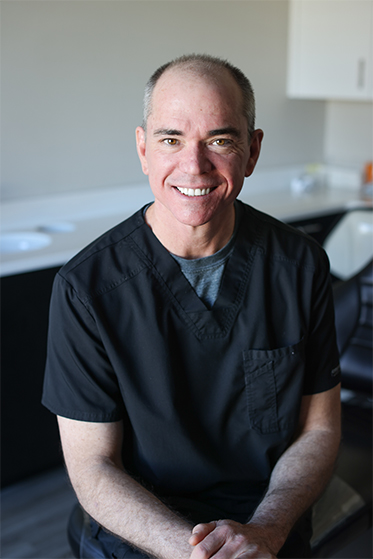
Dr. John Phillips III, DDS
Dr. Phillips has guided hundreds of patients through full arch implant recovery at 29th Street Dental Care in Chickasha, Oklahoma. He provides written post-operative instructions, 24-hour emergency contact information, and scheduled follow-up appointments to monitor healing. Dr. Phillips believes that clear recovery expectations reduce patient anxiety and improve compliance with dietary restrictions.
Dr. Phillips serves patients from Chickasha, Altus, Wichita Falls, Mustang, Norman, and the Oklahoma City metro. He offers complimentary implant consultations that include a CBCT scan and detailed discussion of the recovery timeline. Dr. Phillips provides a written recovery calendar so patients know exactly what to expect each week. To learn more about the Teeth in a Day procedure, read the Teeth in a Day subpillar article and implant success rate guide.
Conclusion
Full arch implant recovery follows a predictable timeline. The first 48 hours are the most intense, with significant swelling and moderate to severe pain. By day 7, most patients transition to over-the-counter pain medication and soft foods. By week 2, normal activities resume. The critical period between weeks 3 and 8 requires strict dietary discipline, as osseointegration is still fragile.
Patients who follow post-operative instructions, maintain excellent oral hygiene, and attend all follow-up appointments achieve the highest success rates. The final zirconia prosthesis is delivered between weeks 10 and 16, after which patients enjoy near-normal eating function.
For patients in Chickasha, Altus, Wichita Falls, Mustang, Norman, Oklahoma City, and surrounding communities, 29th Street Dental Care provides comprehensive recovery support including written instructions, emergency contact, and scheduled follow-up visits. A consultation with Dr. Phillips includes a detailed review of the recovery timeline before surgery. For more information, read the Teeth in a Day subpillar article or the Pillar article on comprehensive dental care.
Last reviewed: May 2026