
Full-mouth reconstruction rebuilds every tooth in both dental arches using a combination of restorative, implant, cosmetic, and periodontal treatments to restore function, health, and aesthetics. The process replaces missing teeth, repairs damaged ones, corrects bite problems, and addresses gum disease through a coordinated, phased treatment plan. Full-mouth reconstruction is not a single procedure but a comprehensive treatment pathway that typically spans several months to more than a year, depending on the complexity of the case.
For patients in Chickasha, Altus, Wichita Falls, Mustang, Norman, and the Oklahoma City metro, full-mouth reconstruction offers a pathway to a complete, functional, and aesthetically pleasing smile. This guide explains who needs reconstruction, what the process involves, the treatment options available, and what patients can expect from start to finish. Understanding the full-mouth reconstruction process helps patients make informed decisions about their care and prepares them for the commitment comprehensive treatment requires.
For a complete overview of one-stop comprehensive dental care in the region, see the pillar article on dental care in Chickasha, Altus, and Wichita. For more information on implant-based reconstruction, read Teeth in a Day: Same-Day Full Arch Restoration Explained and Full Arch Implant Recovery.
Table of Contents
Key Takeaways (TL;DR)
- Full-mouth reconstruction is a comprehensive treatment plan: It combines restorative, implant, cosmetic, and periodontal procedures to rebuild all teeth in both arches, addressing multiple dental problems in a coordinated sequence.
- Common indicators include multiple missing teeth, severe wear, and failing restorations: Patients with advanced tooth loss, bruxism, periodontal disease, or old, broken-down dental work are typical candidates for full-mouth reconstruction.
- Treatment typically spans 6 to 18 months: The timeline includes diagnostic planning, preparatory procedures, surgical phases, restorative delivery, and a maintenance period. Complex cases with bone grafting or multiple implants take longer.
- Options include implants, bridges, crowns, veneers, and dentures: The specific combination depends on the patient’s existing teeth, bone structure, budget, and aesthetic goals. Modern materials like zirconia and lithium disilicate offer strength and natural appearance.
- Sedation dentistry makes the process comfortable: Patients with dental anxiety can undergo reconstruction under nitrous oxide, oral sedation, or IV sedation, allowing multiple procedures to be completed in fewer visits.
- One-stop comprehensive practices simplify the process: Having surgical, restorative, cosmetic, and periodontal services under one roof reduces referrals, improves coordination, and keeps treatment on schedule for patients in Chickasha, Altus, and surrounding communities.
What Is Full-Mouth Reconstruction?
Full-mouth reconstruction is a comprehensive, interdisciplinary treatment approach that rebuilds all or most of the teeth in both the upper and lower dental arches. Unlike single-tooth restorations that address isolated problems, full-mouth reconstruction treats the entire oral environment as an interconnected system where each component affects the function, health, and aesthetics of the others.
The reconstruction process typically involves multiple dental specialties working together: restorative dentistry (crowns, bridges, fillings), implant dentistry (surgical placement and prosthetic restoration), cosmetic dentistry (veneers, bonding, whitening), periodontics (gum disease treatment and soft tissue management), and sometimes orthodontics (tooth movement) or oral surgery (extractions, bone grafting). The coordination of these disciplines distinguishes full-mouth reconstruction from simpler treatment plans.
A full-mouth reconstruction plan begins with a comprehensive evaluation that includes clinical examination, diagnostic imaging (typically 3D cone beam CT and digital X-rays), study models, and often a diagnostic wax-up or digital smile design. These diagnostic tools allow the dental team to plan the final result before any treatment begins, ensuring that the restorative, surgical, and cosmetic components fit together predictably.
The scope of full-mouth reconstruction can vary widely. Some patients require complete replacement of all teeth with implant-supported prostheses. Others need a combination of crowns, bridges, and implants to restore a mouth with significant but not total tooth loss. Still others need full-mouth rehabilitation focused on worn teeth, where extensive crowns and veneers rebuild vertical dimension and restore proper occlusion. The common thread is the comprehensive, system-wide approach that treats the mouth as a whole rather than as isolated teeth.
Many patients confuse full-mouth reconstruction with cosmetic smile makeovers. The distinction matters: a smile makeover focuses primarily on aesthetics—whitening, veneers, bonding, and gum contouring for patients with healthy teeth and gums. Full-mouth reconstruction addresses functional and health problems first (missing teeth, decay, gum disease, bite collapse) and incorporates aesthetics as a component of the comprehensive plan. Every reconstruction includes aesthetic considerations, but not every smile makeover qualifies as a reconstruction. Patients who need reconstruction typically have significant structural or health issues that require restorative treatment before aesthetic enhancement can occur.
Who Needs Full-Mouth Reconstruction? Common Indicators
Multiple dental conditions can make a patient a candidate for full-mouth reconstruction. The common thread among candidates is the presence of widespread problems that affect most or all of the teeth, where treating individual issues in isolation would be ineffective or inefficient. Patients in Chickasha, Altus, and surrounding communities with advanced dental disease or long-standing neglect often present with these indicators.
Multiple missing teeth or complete edentulism is the most obvious indicator. Patients who have lost six or more teeth across both arches, or who have no teeth in one arch, often need full-mouth reconstruction to restore function. The loss of multiple teeth triggers a cascade of problems: remaining teeth drift and tilt, opposing teeth super-erupt, bite collapses, and chewing function declines. Reconstruction with implants, bridges, or dentures addresses these systemic effects.
Severe tooth wear from bruxism, erosion, or abrasion indicates the need for reconstruction when wear has reduced vertical dimension, created short or flat teeth, or caused sensitivity and fracture. Patients who have ground down their teeth over years often have lost 2 to 4 millimeters of vertical height, which affects chewing efficiency, jaw joint comfort, and facial aesthetics. Rebuilding the worn teeth with crowns, onlays, and veneers restores proper proportions and function.
Advanced periodontal disease with tooth mobility requires reconstruction when teeth have become loose, gums have receded, and bone loss threatens tooth retention. Periodontal treatment stabilizes the gums, but teeth may still need splinting, crowns, or replacement with implants. Reconstruction integrates periodontal care with restorative treatment to create a stable, healthy foundation.
Old, failing restorations that are broken, decayed underneath, or aesthetically unacceptable often require comprehensive replacement. Patients with multiple crowns, bridges, and fillings that are 15 to 20 years old frequently present with a mouth full of failing dentistry. Replacing them individually is inefficient; a comprehensive reconstruction plan replaces all failing restorations with a coordinated, modern approach.
Indicators by Severity
Less common but equally valid indicators include congenital conditions like amelogenesis imperfecta or dentinogenesis imperfecta, where enamel or dentin formation is abnormal, and trauma-related tooth loss from accidents or sports injuries that has damaged multiple teeth. Patients with severe dental anxiety who have avoided care for years often present with advanced disease that qualifies for reconstruction, and the availability of sedation dentistry makes comprehensive treatment feasible for these patients.
Core Components of a Full-Mouth Reconstruction Plan
A full-mouth reconstruction plan contains several essential components that work together to achieve the final result. Understanding these components helps patients appreciate the scope of comprehensive treatment and the reasons behind the sequence of appointments.
Comprehensive evaluation forms the foundation of every reconstruction. The evaluation includes a detailed clinical examination with periodontal probing, occlusal (bite) analysis, and assessment of existing restorations. Diagnostic imaging typically includes digital panoramic X-rays, bitewing X-rays to detect interproximal decay, and 3D cone beam CT imaging for implant planning and evaluation of bone quality and quantity. Study models (physical or digital) allow the dental team to analyze occlusion and plan the final restorative design.
Treatment sequencing and phasing organizes the reconstruction into logical stages. The sequence typically begins with urgent problems (pain, infection), moves to preparatory procedures (extractions, bone grafting, periodontal treatment), then to surgical phases (implant placement), and finally to restorative delivery (impressions, try-ins, final cementation or screw retention). Phasing allows the patient to complete treatment over time while managing cost and recovery.
Interdisciplinary coordination ensures that the various specialties involved in the reconstruction work together seamlessly. The restorative dentist leads the team and coordinates with the oral surgeon, periodontist, laboratory technician, and sometimes orthodontist or endodontist. Communication between team members through written treatment plans, digital files, and case conferences ensures that the surgical placement of implants matches the restorative design and that the final prosthetic result meets aesthetic and functional goals.
Decision framework guides the selection of specific treatments based on patient-specific factors. The framework considers the patient’s existing teeth, bone quality and quantity, periodontal health, occlusal scheme, aesthetic demands, budget, and timeline. These factors determine whether implants or fixed bridges replace missing teeth, whether crowns or onlays restore worn teeth, whether veneers or bonding address aesthetic concerns, and whether the reconstruction uses a conventional or immediate-load approach.
The dentist evaluates these factors to design the reconstruction:
- Existing dentition: Which teeth are salvageable, and which require extraction?
- Bone quality and quantity: Is there sufficient bone for implants, or does grafting precede placement?
- Periodontal health: Can gum disease be stabilized before restorative treatment begins?
- Occlusal scheme: What is the current bite relationship, and how will reconstruction change it?
- Aesthetic demands: What are the patient’s expectations for appearance?
- Budget and timeline: What are the financial and temporal constraints?
- Patient health: Does the patient have medical conditions affecting treatment (diabetes, osteoporosis, medications)?
Restorative Options in Full-Mouth Reconstruction
The restorative phase of full-mouth reconstruction includes several treatment options, each suited to different clinical situations. The combination of these options creates the final reconstruction and determines the function, aesthetics, and longevity of the result.
Dental implants provide the most durable and natural-feeling solution for missing teeth. Implants replace the tooth root with a titanium post that integrates with the jawbone and supports a crown, bridge, or full-arch prosthesis. Single implants replace individual missing teeth. Implant-supported bridges replace multiple adjacent missing teeth with fewer implants. Full-arch implant prostheses (All-on-4, All-on-6) replace all teeth in an arch with 4 to 6 implants supporting a fixed bridge. Implants preserve bone, do not affect adjacent teeth, and can last 20 years or more with proper care.
Fixed bridges replace missing teeth by anchoring prosthetic teeth to adjacent natural teeth. Traditional bridges require preparation (reduction) of the adjacent teeth to support the bridge. Maryland bridges use a metal or ceramic framework bonded to the back of adjacent teeth with minimal preparation. Implant-supported bridges combine the stability of implants with the efficiency of bridging multiple missing teeth.
Crowns cover and protect individual teeth that are severely damaged, decayed, worn, or have undergone root canal treatment. Crowns restore strength, function, and aesthetics to compromised teeth. Materials include porcelain-fused-to-metal, all-ceramic (lithium disilicate, zirconia), and gold alloys. The material choice depends on the tooth location, aesthetic requirements, and bite forces.
Inlays and onlays offer a more conservative alternative to crowns for teeth with moderate decay or damage that does not extend to the cusps. These custom-fabricated restorations bond directly to the tooth and can be made of composite resin, porcelain, or gold. Inlays fit within the tooth cusps, while onlays cover one or more cusps.
Removable dentures provide a cost-effective solution for patients who are not candidates for implants or who prefer a removable option. Complete dentures replace all teeth in an arch. Partial dentures replace some teeth and attach to remaining natural teeth with clasps or precision attachments. Implant-retained dentures (overdentures) snap onto implant attachments for improved stability and retention.
| Material | Strength | Aesthetics | Cost | Best Use |
|---|---|---|---|---|
| Zirconia | Highest | Good to Excellent | High | Full-arch prostheses, posterior crowns, bridges |
| Lithium Disilicate | High | Excellent | Moderate-High | Anterior crowns, veneers, single crowns |
| Porcelain-Fused-to-Metal | Moderate-High | Good | Moderate | Posterior crowns, bridges, implant abutments |
| Gold Alloy | Highest | Poor | High | Posterior crowns for patients with heavy bite forces |
The Role of Cosmetic Dentistry in Full-Mouth Reconstruction
Cosmetic dentistry integrates with restorative treatment in full-mouth reconstruction to ensure that the final result is not only functional and healthy but also aesthetically pleasing. The principles of smile design guide the aesthetic components of the reconstruction, addressing tooth proportions, gingival aesthetics, symmetry, and color.
Smile design principles provide the framework for aesthetic decisions in reconstruction. The dentist evaluates the patient’s facial features, lip line, tooth size and proportion, gingival display, and existing tooth color to design a smile that harmonizes with the patient’s overall appearance. Digital smile design software allows patients to preview the proposed result before treatment begins, facilitating collaboration and ensuring satisfaction with the final outcome.
Veneers and bonding address aesthetic concerns on anterior teeth. Veneers are thin porcelain shells that bond to the front surface of teeth, correcting color, shape, size, and minor alignment issues. Composite bonding builds up tooth structure with tooth-colored resin, correcting chips, gaps, and discoloration with minimal tooth reduction. Both options complement the restorative treatment in reconstruction.
Teeth whitening can be incorporated into the reconstruction plan for patients with healthy, unstained teeth that need color adjustment before or after other treatment. In-office whitening with high-concentration peroxide gel produces the most dramatic results in a single visit. Take-home whitening trays allow gradual improvement over several weeks. Whitening is typically performed before placing veneers or crowns to ensure the restorations match the desired shade.
Gum contouring and soft tissue management address gingival aesthetics in reconstruction. Uneven gum lines, excessive gingival display (gummy smile), or gum recession can detract from an otherwise excellent restorative result. Laser gum contouring or surgical recontouring can reshape the gum tissue to create a symmetrical, balanced appearance. Periodontal treatment and implant-related soft tissue grafting ensure healthy, aesthetic gums around restorations.
The integration of cosmetic and restorative dentistry in full-mouth reconstruction means that patients receive treatment that addresses both function and appearance simultaneously. This integrated approach is more efficient than performing restorative and cosmetic procedures separately and typically produces better overall results.
Surgical and Periodontal Considerations in Reconstruction
Full-mouth reconstruction often includes surgical and periodontal components that prepare the mouth for restorative treatment. These procedures address the supporting structures—bone and gum tissue—that must be healthy and adequate to support the final restorations.
Bone grafting and ridge augmentation rebuild the jawbone in areas where bone has been lost due to tooth extraction, periodontal disease, or trauma. Bone grafting is often necessary before implant placement because implants require sufficient bone volume for stability and integration. Grafting procedures use the patient’s own bone, donor bone, or synthetic bone substitutes to augment deficient ridges, fill extraction sockets, or elevate the sinus floor in the posterior maxilla. Healing time after grafting ranges from 3 to 6 months before implants can be placed.
Sinus lifts increase bone height in the posterior maxilla (upper jaw) where the sinus cavity has expanded into the bone. The sinus lift procedure elevates the sinus membrane and places bone graft material into the space created, allowing implants to be placed in the upper back teeth area. This procedure adds 3 to 6 months to the treatment timeline but makes implant placement possible in cases that otherwise would not be candidates.
Periodontal therapy addresses gum disease before restorative treatment begins. Active periodontal disease can compromise the success of restorations, especially in cases requiring crowns on natural teeth. Periodontal therapy typically involves scaling and root planing (deep cleaning), with surgical procedures (flap surgery, bone grafting) for advanced cases. Achieving periodontal stability before reconstruction reduces complications and improves the long-term prognosis of the restorations.
Extraction site management ensures that tooth extraction sites heal properly and preserve bone for future implants or restorations. Socket preservation grafts fill the extraction socket with bone graft material to minimize bone loss during healing. Immediate implant placement places the implant in the extraction socket at the time of tooth removal, reducing the number of surgical procedures and the overall treatment time.
The Full-Mouth Reconstruction Timeline
The timeline for full-mouth reconstruction varies significantly based on case complexity, the number of procedures required, and the patient’s healing response. Simple reconstructions on patients with good bone and gum health may take 6 to 8 months. Complex cases with bone grafting, multiple implants, and full-arch prosthetics typically take 12 to 18 months. Understanding the timeline helps patients plan for the commitment and manage expectations.
Phase 1: Consultation and Diagnostics (1-2 visits)
The initial phase includes a comprehensive clinical examination, digital imaging (X-rays and 3D CBCT), study models, and a discussion of the patient’s concerns and goals. The dentist presents a preliminary treatment plan, and the patient receives a cost estimate. Patients with dental anxiety can discuss sedation options during this phase. Diagnostic planning may include digital smile design or diagnostic wax-up to visualize the proposed result.
Phase 2: Treatment Planning (1-2 weeks)
The dental team reviews the diagnostic information, consults with any specialists (oral surgeon, periodontist, laboratory technician), and finalizes the treatment plan. The plan includes the sequence of procedures, estimated timeline, and detailed cost breakdown. The patient approves the plan and schedules the first treatment appointments. This planning phase is critical for coordinating the interdisciplinary aspects of the reconstruction.
Phase 3: Preparatory Procedures (1-4 months)
This phase addresses urgent problems and prepares the mouth for restorative and surgical treatment. Preparatory procedures may include extractions of non-restorable teeth, bone grafting, sinus lifts, and periodontal therapy. Temporary restorations may be placed to maintain aesthetics and function during this phase. Healing after bone grafting typically requires 3 to 6 months before implant placement can occur.
Phase 4: Surgical Phase (1-3 visits over 1-6 months)
Surgical procedures include dental implant placement, additional bone grafting if needed, and possibly soft tissue procedures. Implant placement is typically a single appointment lasting 1 to 2 hours per arch. Multiple implants in both arches may require separate appointments. Sedation ensures patient comfort during surgical appointments. The surgical phase concludes with a healing period of 3 to 6 months for osseointegration (bone integration with the implant).
Phase 5: Restorative Phase (3-6 visits over 2-4 months)
After implant integration or gum healing, the restorative phase begins. This phase includes impressions or digital scans for the final prostheses, try-in appointments to verify aesthetics and fit, and final delivery of crowns, bridges, veneers, or full-arch prostheses. Each restoration undergoes quality control and adjustments before final cementation or screw retention. The restorative phase ends with the patient receiving their final, functional smile.
Phase 6: Maintenance and Follow-Up (Ongoing)
After reconstruction is complete, the patient enters a maintenance phase with regular follow-up appointments for professional cleaning, examination, and monitoring. Implant prostheses require periodic checks of the abutment screws and prosthetic components. Natural teeth and restorations require ongoing preventive care. The maintenance phase ensures that the reconstruction functions properly and lasts as long as possible.
| Case Type | Typical Timeline | Key Factors Affecting Time |
|---|---|---|
| Single arch, 3-5 implants, no grafting | 6-8 months | Healing time for osseointegration (3-6 months) |
| Full arch (All-on-4), no grafting | 6-10 months | Immediate loading provisional, then final prosthesis after healing |
| Both arches with bone grafting | 12-18 months | Graft healing (3-6 months) before implant placement |
| Complex with sinus lifts, soft tissue grafting, multiple specialists | 15-24 months | Multiple surgical phases, coordination between specialists, extended healing periods |
Costs, Insurance, and Financing Options
The cost of full-mouth reconstruction varies widely based on the number and type of procedures, the materials used, the complexity of the case, and the geographic location of the practice. Patients in Chickasha, Altus, and surrounding areas should expect to pay less than in major metropolitan areas for comparable treatment, but reconstruction remains a significant financial investment.
Typical cost ranges for components of full-mouth reconstruction provide a framework for understanding the overall investment:
- Single dental implant with crown: $3,500 to $6,000
- Full-arch implant prosthesis (All-on-4, All-on-6): $20,000 to $35,000 per arch
- Full-mouth crowns (16-28 units): $20,000 to $50,000
- Full-mouth veneers (16-20 units): $15,000 to $40,000
- Implant-supported bridge (3-5 units): $8,000 to $15,000
- Bone grafting per site: $500 to $2,500
- Sinus lift: $2,000 to $4,000
Insurance coverage for full-mouth reconstruction depends on the specific procedures and the patient’s insurance plan. Most dental insurance plans cover some restorative procedures (crowns, bridges, fillings, extractions) but have annual maximums typically ranging from $1,000 to $2,500. Medical insurance may cover implant placement in cases of trauma or congenital defects, but coverage for elective reconstruction is rare. Patients should verify benefits before beginning treatment.
Financing options make full-mouth reconstruction accessible to patients who cannot pay the full cost upfront. Third-party financing companies like CareCredit and LendingClub offer healthcare credit lines with promotional interest-free periods (typically 6 to 24 months) for qualified applicants. In-house membership plans may offer discounts for uninsured patients. Many practices also offer phased treatment plans that spread the cost over the duration of the reconstruction.
Cost-saving strategies can reduce the financial burden of reconstruction. Treatment phasing allows patients to complete the reconstruction in stages over one or more benefit years, maximizing insurance benefits. Using in-network providers may reduce out-of-pocket costs. Choosing less expensive material options (gold or porcelain-fused-to-metal instead of zirconia) can lower costs without compromising function. Patients should discuss all options with their dentist and the practice’s financial coordinator.
Full-Mouth Reconstruction at 29th Street Dental Care
29th Street Dental Care in Chickasha, Oklahoma, offers comprehensive full-mouth reconstruction under one roof. The practice’s one-stop model eliminates the need for multiple referrals to different specialists, keeping treatment coordinated and on schedule. For patients in Chickasha, Altus, Wichita Falls, Mustang, Norman, and surrounding communities, this means convenient, efficient, and comprehensive care close to home.
Dr. John Phillips III leads the clinical team with advanced training in implant dentistry, oral surgery, and sedation techniques. He performs the surgical placement of implants, bone grafting, and complex restorative work himself, reducing the need for specialist referrals. Dr. Phillips works closely with experienced dental laboratory technicians to ensure that restorations meet the highest standards of fit, function, and aesthetics.
Technology at 29th Street Dental Care supports accurate diagnosis and precise treatment execution. The practice uses 3D cone beam CT imaging for implant planning and evaluation of bone quality. Intraoral cameras allow patients to see their conditions and proposed treatment visually. Digital impressions eliminate the need for traditional impression materials and improve the accuracy of restorations. Laser dentistry enables soft tissue procedures with minimal discomfort and faster healing.
Sedation dentistry makes reconstruction comfortable for patients with dental anxiety. The practice offers nitrous oxide, oral sedation, and IV sedation options, allowing patients to undergo multiple procedures in fewer appointments. Sedation is particularly valuable for reconstruction patients, who often require numerous appointments and extended treatment times.
The practice serves patients from Chickasha, Altus, Wichita Falls, Mustang, Norman, Oklahoma City, and surrounding communities. For more information on specific reconstruction components, read the Teeth in a Day subpillar article and full arch implant recovery guide. To explore comprehensive dental care in the region, visit the pillar article on one-stop family, implant, and sedation dentistry.
Frequently Asked Questions
People Also Ask
- What is the difference between full-mouth reconstruction and full-mouth rehabilitation? The terms are often used interchangeably, but some clinicians distinguish reconstruction as replacing missing or damaged teeth with new restorations, while rehabilitation includes restoring the entire oral system including jaw joints and bite relationships. In practice, most reconstruction plans include rehabilitation of the occlusion and jaw function.
- Can I get reconstruction if I have active gum disease? Yes, but periodontal disease must be treated and stabilized before restorative treatment can begin. Active gum disease can compromise the success of crowns, bridges, and implants. The reconstruction plan typically includes periodontal therapy as part of the preparatory phase before restorative procedures begin.
- How many appointments does reconstruction require? A typical full-mouth reconstruction requires 10 to 20 appointments spread over 6 to 18 months. The number depends on case complexity and the number of procedures. Diagnostic and planning appointments (2-3), surgical procedures (1-3), restorative appointments (5-10), and follow-up visits (2-4) make up the total. Some appointments combine multiple procedures to reduce the number of visits.
- Can reconstruction be done in one day? No. Full-mouth reconstruction is a comprehensive process that cannot be completed in a single day. While some components (like All-on-4 implant placement with immediate loading) can be completed in one surgical appointment, the overall reconstruction including diagnosis, planning, preparatory procedures, surgical phases, and restorative delivery spans months. Patients seeking faster solutions should discuss their timeline with their dentist.
- Will I have temporary teeth during reconstruction? Yes. During the reconstruction process, patients wear temporary restorations to maintain aesthetics and function while permanent restorations are being fabricated. Temporary crowns, bridges, or dentures allow patients to eat, speak, and smile normally during the treatment phases. Temps also protect teeth and provide feedback on the planned final result before permanent restorations are made.
People Also Search For
- Full-mouth reconstruction cost Oklahoma
- Dental implants vs dentures Chickasha OK
- All-on-4 dental implants in Southwest Oklahoma
- Comprehensive dental care near Altus OK
- Sedation dentistry for full-mouth reconstruction
- Dental implant specialists in Wichita Falls TX
About the Author / Meet the Dentist
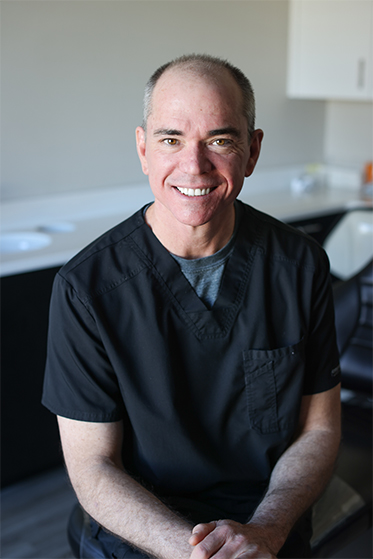
Dr. Phillips performs full-mouth reconstruction procedures at 29th Street Dental Care in Chickasha, Oklahoma. With advanced training in implant dentistry, oral surgery, and sedation techniques, he provides comprehensive care under one roof. Dr. Phillips believes in patient education and shared decision-making, ensuring that every patient understands their treatment plan and feels comfortable with the process.
Dr. Phillips serves patients from Chickasha, Altus, Wichita Falls, Mustang, Norman, and the Oklahoma City metro. He offers complimentary consultations for patients considering full-mouth reconstruction. To learn more about reconstruction components, read the Teeth in a Day subpillar article and All-on-4 vs All-on-6 comparison guide.
Sources
- American Dental Association (ADA) — Position statements on implant dentistry and full-mouth rehabilitation
- Centers for Disease Control and Prevention (CDC) — Oral health data and preventive care guidelines
- Oklahoma State Department of Health — Regional oral health statistics and access to care data
- American Academy of Periodontology — Guidelines on periodontal disease management and implant therapy
- Journal of Prosthetic Dentistry — Clinical studies on implant success rates and restorative material longevity
- International Journal of Oral and Maxillofacial Implants — Research on osseointegration and implant protocols
Conclusion
Full-mouth reconstruction transforms damaged, worn, or missing teeth into a complete, functional, and aesthetically pleasing smile. The comprehensive treatment approach addresses multiple dental problems in a coordinated sequence, restoring not just individual teeth but the entire oral system. Patients with advanced dental disease, severe wear, multiple missing teeth, or failing restorations can benefit from reconstruction.
The reconstruction process involves multiple phases: diagnosis and planning, preparatory procedures, surgical placement of implants (if needed), restorative delivery of crowns, bridges, or prostheses, and ongoing maintenance. The timeline ranges from 6 to 18 months depending on case complexity. Sedation dentistry makes the process comfortable for anxious patients.
For patients in Chickasha, Altus, Wichita Falls, Mustang, Norman, Oklahoma City, and surrounding communities, 29th Street Dental Care offers full-mouth reconstruction under one roof. Dr. Phillips and his team provide comprehensive care with advanced training and technology, eliminating the need for multiple specialist referrals.
To explore your reconstruction options, schedule a consultation with 29th Street Dental Care. For more information, read the pillar article on comprehensive dental care and Teeth in a Day.
Last reviewed: July 2026