
Full-mouth reconstruction costs vary widely based on the number and type of procedures, the materials selected, the complexity of the case, and the geographic location of the practice, with total treatment typically ranging from $20,000 to $50,000 or more for comprehensive cases. Understanding the components of reconstruction costs, the factors that influence pricing, and the available financing options helps patients make informed decisions and plan for the financial commitment that comprehensive treatment requires.
For patients in Chickasha, Altus, Wichita Falls, Mustang, Norman, and the Oklahoma City metro, the cost of full-mouth reconstruction represents a significant investment in long-term oral health, function, and aesthetics. This guide explains typical cost ranges, what influences pricing, how insurance applies, and the financing options available to make reconstruction accessible.
For a complete overview of the reconstruction process, see the full-mouth reconstruction subpillar article. For information on the treatment timeline, read The Full-Mouth Reconstruction Timeline and Full-Mouth Reconstruction vs Individual Restorations.
Table of Contents
Key Takeaways (TL;DR)
- Full-mouth reconstruction typically costs $20,000 to $50,000 or more: The total cost varies based on the number of implants, crowns, bridges, and other procedures. Complex cases with full-arch prostheses and bone grafting may exceed $50,000.
- Material selection significantly affects cost: Zirconia and lithium disilicate cost more than porcelain-fused-to-metal or gold alloys. Higher-cost materials offer superior aesthetics and longevity.
- Insurance typically covers 50% or less of reconstruction costs: Most dental insurance plans have annual maximums of $1,000-$2,500, which cover only a small portion of reconstruction. Medical insurance may cover some components in cases of trauma or congenital defects.
- Financing options make reconstruction accessible: Third-party financing (CareCredit, LendingClub), in-house membership plans, and phased treatment plans help patients manage the cost of comprehensive care.
- Reconstruction offers long-term value over individual restorations: While upfront costs are higher, reconstruction eliminates ongoing repairs and replacements, often proving more cost-effective over 15-20 years.
- Phasing treatment across multiple years maximizes insurance benefits: Patients can schedule procedures across two or more benefit years to make full use of their annual maximums.
Typical Cost Ranges for Full-Mouth Reconstruction Components
Full-mouth reconstruction comprises multiple procedures, each with its own cost. Understanding the typical cost range for each component helps patients understand the total investment required.
Restorative procedures:
- Dental crowns: $1,200 to $2,500 per tooth, depending on material (porcelain-fused-to-metal, lithium disilicate, zirconia, gold)
- Dental bridges: $3,000 to $8,000 for a 3-unit bridge, with costs increasing with more units and higher-quality materials
- Dental veneers: $1,500 to $3,500 per tooth, with porcelain veneers costing more than composite bonding
- Dental implants (single): $3,500 to $6,000, including the implant fixture, abutment, and crown
- Implant-supported bridge: $8,000 to $15,000, depending on the number of implants and bridge units
- Full-arch implant prosthesis (All-on-4, All-on-6): $20,000 to $35,000 per arch, including implant placement and the final prosthesis
- Complete dentures: $2,000 to $5,000 per arch, with implant-retained dentures costing $8,000 to $15,000 per arch
- Inlays and onlays: $1,000 to $2,500 per restoration, depending on material and number of surfaces
Surgical and preparatory procedures:
- Tooth extraction (simple): $150 to $300 per tooth
- Tooth extraction (surgical): $300 to $600 per tooth, including wisdom teeth
- Bone grafting: $500 to $2,500 per site, depending on the amount of graft material and complexity
- Sinus lift: $2,000 to $4,000 per side
- Periodontal scaling and root planing: $200 to $400 per quadrant
- Periodontal surgery: $1,500 to $4,000 per quadrant, depending on complexity
- Root canal therapy: $800 to $1,800 per tooth, with molars costing more than front teeth
Diagnostic and planning costs:
- Comprehensive examination: $100 to $300
- 3D cone beam CT imaging: $300 to $600
- Digital impressions and study models: $150 to $400
- Diagnostic wax-up or digital smile design: $200 to $800
Total reconstruction cost: The total cost of full-mouth reconstruction typically ranges from $20,000 to $50,000 or more. A patient receiving full crowns on all teeth (16-28 units) might pay $25,000 to $50,000. A patient receiving full-arch implant prostheses in both arches might pay $40,000 to $70,000 or more. Patients with complex needs requiring bone grafting, sinus lifts, and multiple implants may exceed these ranges.
| Scenario | Typical Total Cost Range | Key Components |
|---|---|---|
| Full crowns, no implants | $25,000 – $45,000 | 18-24 crowns, possible root canals, periodontal treatment |
| Single arch All-on-4/6 | $20,000 – $35,000 | 4-6 implants, full-arch prosthesis, extractions if needed |
| Both arches All-on-4/6 | $40,000 – $70,000 | 8-12 implants, two full-arch prostheses, extractions |
| Crowns + bridges + implants | $30,000 – $55,000 | 5-10 implants, bridges, 10-15 crowns, grafting if needed |
| Complex with grafting | $50,000 – $80,000+ | All above plus bone grafting, sinus lifts, periodontal surgery |
Factors That Affect the Cost of Full-Mouth Reconstruction
Several factors influence the total cost of full-mouth reconstruction. Understanding these factors helps patients anticipate costs and make informed decisions about their treatment.
Number and type of procedures: The most significant cost factor is the scope of treatment. Patients requiring implants, bone grafting, and multiple crowns will pay more than those needing only crowns. The number of teeth involved directly affects the total cost.
Material selection: The materials used for restorations significantly affect cost. Zirconia and lithium disilicate are more expensive than porcelain-fused-to-metal but offer superior aesthetics and longevity. Gold alloys are the most expensive but provide excellent durability. The dentist discusses material options and their cost implications.
Implant brand and type: Different implant manufacturers charge different prices. Premium implant systems (Straumann, Nobel Biocare) typically cost more than value brands (BioHorizons, Implant Direct). The type of implant (conventional vs. mini, tapered vs. straight) also affects cost.
Laboratory fees: The dental laboratory that fabricates the restorations charges fees based on the complexity of the case and the materials used. Complex prostheses (full-arch zirconia, multi-unit bridges) have higher laboratory fees than single crowns.
Geographic location: Dental fees vary by region. Practices in metropolitan areas typically charge more than those in rural areas. Patients in Chickasha, Altus, and Wichita Falls may pay less than patients in Oklahoma City or Dallas for comparable treatment.
Sedation or anesthesia: Patients who choose sedation for their procedures will pay additional fees. IV sedation costs more than oral sedation or nitrous oxide. The type of sedation and the duration of the appointment affect the cost.
Specialist involvement: If treatment requires specialists (oral surgeon, periodontist, endodontist), their fees are added to the total cost. Comprehensive practices like 29th Street Dental Care perform many procedures in-house, reducing the need for specialist referrals and associated costs.
Treatment timeline: The duration of treatment does not directly affect cost, but extended timelines may involve additional appointments for monitoring and adjustments, which can add to the total.
| Material | Relative Cost | Strength | Aesthetics | Longevity |
|---|---|---|---|---|
| Porcelain-fused-to-metal | Low | High | Good | 10-15 years |
| Lithium disilicate | Moderate-High | High | Excellent | 15-20 years |
| Zirconia (monolithic) | High | Highest | Good | 15-20+ years |
| Zirconia (layered) | Highest | High | Excellent | 15-20+ years |
| Gold alloy | High | Highest | Poor | 20+ years |
Comprehensive Cost Breakdown by Procedure Category
Insurance Coverage: What to Expect
Understanding dental insurance coverage for full-mouth reconstruction is essential for financial planning. Most dental insurance plans provide only partial coverage for the procedures involved in reconstruction, and coverage varies significantly between plans.
Typical insurance coverage structure:
- Preventive services (cleanings, exams, X-rays): Typically covered at 80-100%, with no or low deductibles
- Basic services (fillings, extractions, root canals): Typically covered at 50-80%, subject to deductible and annual maximum
- Major services (crowns, bridges, implants, dentures): Typically covered at 40-50%, subject to deductible and annual maximum
- Cosmetic services (veneers, teeth whitening): Typically not covered
- Sedation: Typically not covered
Annual maximum: Most dental insurance plans have an annual maximum of $1,000 to $2,500. This is the total amount the plan will pay for dental care in a calendar year. For full-mouth reconstruction, which often costs $20,000 to $50,000, the annual maximum covers only a small portion of the total cost.
Medical insurance coverage: In some cases, medical insurance may cover components of full-mouth reconstruction. This is most common when:
- Tooth loss results from trauma (accident, injury)
- Tooth loss is due to a congenital condition (cleft palate, amelogenesis imperfecta)
- Treatment is needed to address a medical condition (tumor removal, jaw reconstruction)
- Implants are placed to restore function after trauma or disease
Maximizing insurance benefits: Patients can maximize their insurance coverage through strategic planning:
- Treatment phasing: Schedule procedures across two or more benefit years to make use of multiple annual maximums
- Pre-treatment estimates: Request pre-treatment estimates from the insurance company to understand what will be covered
- Verification of benefits: Have the dental office verify benefits before treatment begins
- Medical necessity documentation: For cases that may be covered by medical insurance, obtain documentation of medical necessity
Financing Options for Full-Mouth Reconstruction
Several financing options make full-mouth reconstruction accessible to patients who cannot pay the full cost upfront. Understanding these options helps patients choose the approach that best fits their financial situation.
Third-party healthcare financing: Companies that specialize in healthcare financing offer credit lines specifically for medical and dental procedures.
- CareCredit: Offers credit lines with promotional interest-free periods (6, 12, 18, or 24 months) for qualified applicants. Can be used for all dental procedures.
- LendingClub (formerly Prosper Healthcare Lending): Offers fixed-rate loans for healthcare procedures with terms up to 84 months.
- Ally Lending: Offers point-of-sale financing with no interest if paid in full within a promotional period.
In-house membership plans: Some dental practices offer membership plans for patients without insurance or with high deductibles.
- Annual membership fee covers preventive care (exams, cleanings, X-rays)
- Discounted rates (typically 10-20% off) for restorative and surgical procedures
- No insurance claims or pre-authorizations required
- Not insurance, but provides predictable costs
Treatment phasing: Phasing treatment over multiple years allows patients to manage costs and maximize insurance benefits.
- Phase 1: Address urgent problems (pain, infection, extractions)
- Phase 2: Preparatory procedures (bone grafting, periodontal treatment)
- Phase 3: Surgical phase (implant placement)
- Phase 4: Restorative phase (crowns, bridges, prostheses)
Payment plans: Many dental practices offer in-house payment plans with structured monthly payments.
- Typically require a down payment (10-50% of total cost)
- Remaining balance paid in monthly installments
- May or may not charge interest
- Requires credit check or financial verification in some cases
Health Savings Accounts (HSAs) and Flexible Spending Accounts (FSAs):
- HSA: Available to patients with high-deductible health plans. Contributions are tax-deductible, and funds can be used tax-free for qualified medical and dental expenses.
- FSA: Available through employers. Contributions are pre-tax, and funds can be used for qualified dental expenses. Use-or-lose: funds must be used within the plan year.
Cash discounts: Many dental practices offer a discount (typically 5-10%) for patients who pay the full treatment cost in cash or by check at the time of service. This can provide significant savings on large treatment plans.
| Option | Pros | Cons | Best For |
|---|---|---|---|
| CareCredit | No-interest promo periods, immediate approval, wide acceptance | High interest after promo, credit check required, late fees | Patients who can pay within the promo period |
| Treatment phasing | No interest, uses insurance benefits across years, manageable payments | Extends timeline, may require two phases of care | Patients with insurance who want to maximize coverage |
| In-house payment plan | Flexible terms, often no interest, direct with practice | Requires down payment, credit check may apply | Established patients with good payment history |
| HSA/FSA | Tax savings, pre-tax dollars | Requires eligible account, FSA has use-or-lose | Patients with HSA or FSA accounts |
| Cash discount | Immediate savings, no interest, no credit check | Requires full payment upfront | Patients with available funds |
Long-Term Value: Is Reconstruction Worth the Investment?
While the upfront cost of full-mouth reconstruction is significant, the long-term value often justifies the investment for patients with extensive dental needs. Comparing the total cost of reconstruction to the cumulative cost of individual restorations over 15-20 years helps patients appreciate the value proposition.
Cost comparison over 20 years:
Scenario A: Individual restorations over 20 years
- Year 1-5: 5 crowns ($1,800 each) = $9,000
- Year 6-10: 3 bridges ($5,000 each) = $15,000
- Year 11-15: Replace failed crowns (8 at $2,000) = $16,000
- Year 16-20: More repairs and replacements = $12,000
- Total over 20 years: $52,000
Scenario B: Full-mouth reconstruction
- Comprehensive treatment in year 1 = $35,000
- Maintenance and minimal repairs over 20 years = $8,000
- Total over 20 years: $43,000
In this example, reconstruction saves $9,000 over 20 years while providing superior aesthetics, function, and quality of life. The value of reconstruction extends beyond the financial comparison:
- Improved function: Reconstruction restores proper chewing function, allowing patients to eat a wider variety of foods and maintain better nutrition
- Enhanced aesthetics: A unified aesthetic result improves appearance and self-confidence
- Better oral health: Reconstruction addresses underlying problems (gum disease, bite issues) that individual restorations do not
- Reduced dental anxiety: Patients who complete reconstruction often have fewer future dental visits and less anxiety about their oral health
- Long-term stability: Well-planned reconstruction provides stable, durable results that last 15-20 years or more
For patients in Chickasha, Altus, Wichita Falls, and surrounding communities, the investment in full-mouth reconstruction represents a commitment to long-term oral health and quality of life. The upfront cost should be weighed against the cumulative cost and functional limitations of ongoing individual repairs.
Cost-Saving Strategies for Full-Mouth Reconstruction
Several strategies can help patients manage the cost of full-mouth reconstruction without compromising the quality of care.
Treatment phasing: Spreading treatment over multiple benefit years allows patients to maximize insurance benefits and manage out-of-pocket costs. For example, a patient with a $2,000 annual maximum could phase treatment over three years, saving $6,000 in out-of-pocket costs compared to completing treatment in one year.
Material selection: Choosing less expensive materials can reduce costs without sacrificing function. Porcelain-fused-to-metal crowns cost less than zirconia but still provide good durability and aesthetics. Patients should discuss material options with their dentist and weigh cost against longevity and aesthetics.
In-network providers: Choosing an in-network dental provider (if insurance is used) can reduce out-of-pocket costs. In-network dentists have contracted rates with insurance companies, often resulting in lower fees for procedures.
Pre-treatment estimates: Requesting pre-treatment estimates from the insurance company helps patients understand what will be covered before treatment begins. This prevents surprises and allows for financial planning.
Dental school clinics: Accredited dental schools offer treatment at reduced rates. Care is provided by students under faculty supervision. This option is best for patients with significant time and flexibility, as appointments are longer and schedules may be less predictable.
In-house membership plans: For patients without insurance or with high deductibles, in-house membership plans provide predictable costs and discounts on restorative procedures.
Negotiation: Some practices may offer discounts or flexible payment terms for large treatment plans. Patients can ask about any available discounts or payment arrangements.
At 29th Street Dental Care, the treatment coordinator works with patients to develop a financial plan that fits their budget. The practice offers phased treatment options, third-party financing referrals, and in-house payment arrangements to make reconstruction accessible to patients in Chickasha and surrounding communities.
Frequently Asked Questions
People Also Ask
- What is the average cost of full-mouth reconstruction in Oklahoma? The average cost in Oklahoma typically ranges from $20,000 to $45,000, which is generally lower than in major metropolitan areas. Costs are lower due to lower overhead and laboratory fees compared to cities like Dallas or Kansas City. However, specific costs vary by practice and case complexity.
- Can I get a discount for paying in cash? Many dental practices offer cash discounts of 5-10% for patients who pay the full treatment cost upfront. Patients should ask about any available discounts when discussing treatment costs.
- How does the cost of implants compare to bridges? Single implants typically cost $3,500-$6,000, while a 3-unit bridge costs $3,000-$8,000. For a single missing tooth with healthy adjacent teeth, a bridge may be less expensive initially, but an implant offers better longevity and preserves adjacent tooth structure. For multiple missing teeth, the cost comparison depends on the number of implants and the design of the prosthesis.
- Can I use FSA or HSA funds for reconstruction? Yes. HSA and FSA funds can be used for qualified medical and dental expenses, including dental implants, crowns, bridges, and other restorative procedures. Patients should check with their account administrator for specific rules about qualifying expenses.
- What happens if I can’t afford the full cost? Patients who cannot afford the full cost should discuss their financial situation with the practice’s treatment coordinator. Options may include treatment phasing, third-party financing, in-house payment plans, or alternative treatment approaches that address priority problems first. No patient should delay care due to cost without exploring all available options.
People Also Search For
- Cost of dental implants Chickasha OK
- Full mouth reconstruction financing Oklahoma
- Dental insurance for implants and crowns
- CareCredit for dental work Southwest Oklahoma
- Cost of All-on-4 dental implants in Oklahoma
- Payment plans for dental reconstruction near me
About the Author / Meet the Dentist
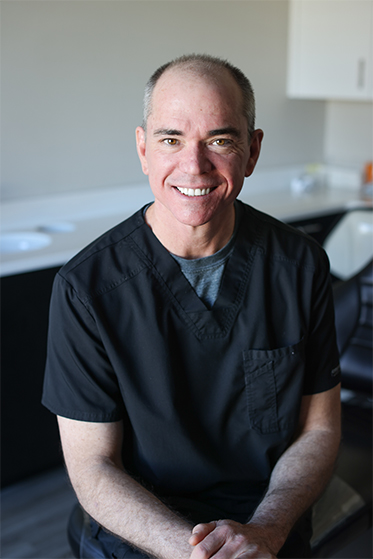
Dr. Phillips performs full-mouth reconstruction at 29th Street Dental Care in Chickasha, Oklahoma, and works with patients to develop treatment plans that fit their clinical needs and financial circumstances. With advanced training in implant dentistry and comprehensive restorative care, he offers a range of material and treatment options that allow patients to balance quality and cost. Dr. Phillips believes in transparent communication about treatment costs and works with patients to explore all available financing options.
Dr. Phillips serves patients from Chickasha, Altus, Wichita Falls, Mustang, Norman, and the Oklahoma City metro. He offers complimentary consultations for patients considering reconstruction, including a detailed discussion of costs and financing options. To learn more about the reconstruction process, read the full-mouth reconstruction subpillar article and The Full-Mouth Reconstruction Timeline.
Sources
- American Dental Association (ADA) — Guidelines on treatment planning and fee structures
- Journal of Prosthetic Dentistry — Studies on cost-effectiveness of comprehensive vs individual treatment
- International Journal of Oral and Maxillofacial Implants — Research on implant cost and value analysis
- CareCredit — Healthcare financing options and terms
- Internal Revenue Service (IRS) — Guidelines on medical expense tax deductions
- Oklahoma Dental Association — Regional cost data and practice guidelines
Conclusion
Full-mouth reconstruction is a significant financial investment, with costs typically ranging from $20,000 to $50,000 or more depending on the complexity of the case, the procedures required, and the materials selected. Understanding the components of reconstruction costs, the factors that influence pricing, and the available financing options helps patients plan for this investment and make informed decisions about their care.
While the upfront cost of reconstruction is substantial, the long-term value often justifies the investment. Reconstruction eliminates ongoing repairs and replacements, provides superior aesthetics and function, and addresses underlying problems that individual restorations cannot. For patients with extensive dental needs, reconstruction often proves more cost-effective over 15-20 years than the cumulative cost of individual restorations.
For patients in Chickasha, Altus, Wichita Falls, Mustang, Norman, Oklahoma City, and surrounding communities, 29th Street Dental Care offers full-mouth reconstruction with transparent pricing and flexible financing options. Dr. Phillips and his team work with patients to develop treatment plans that balance clinical needs with financial considerations.
To learn more about full-mouth reconstruction, read the full-mouth reconstruction subpillar article and Full-Mouth Reconstruction vs Individual Restorations. For a broader perspective on comprehensive dental care in the region, visit the pillar article on one-stop family, implant, and sedation dentistry.
Last reviewed: July 2026